Core-ETC is controlled demolition company with over 25 years experience click here for more information on our Percussion Drilling Services
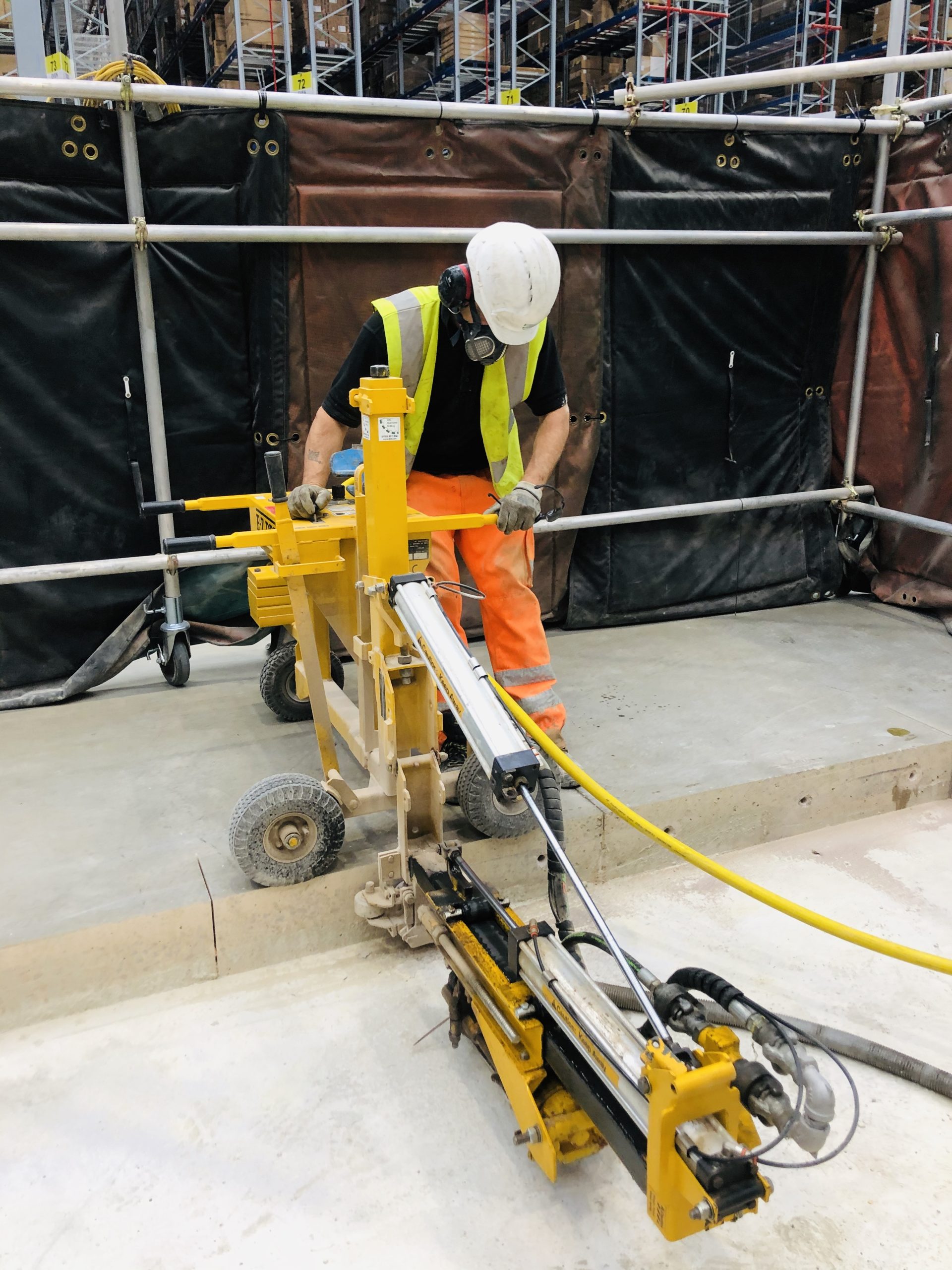
What is Percussion Drilling?
Percussion drilling is a traditional drilling method that uses a heavy bit repeatedly lifted and dropped to break and crush soil, clay, gravel, or rock. It is widely used for water wells, geotechnical surveys, and foundation work. This technique is valued for its low cost, simplicity, and ability to handle hard ground, though it is generally slower than rotary drilling methods.
What is the History and Development of Percussion Drilling?
Percussion drilling is one of the oldest drilling methods in the world, with its origins tracing back thousands of years. Early forms were used in ancient China around 3000 BC, where bamboo and stone tools were employed to reach underground water sources. By the Middle Ages, the technique had spread to Europe and was widely used for mining and well construction.
Over time, percussion drilling evolved with the introduction of iron drill bits, mechanical rigs, and cable-tool systems in the 19th century. These advancements made it possible to drill deeper and more efficiently through hard rock and varied soil conditions.
Although modern rotary drilling has largely replaced percussion in many industries, the method is still valued today for its simplicity, low cost, and effectiveness in rural water well projects and geotechnical surveys.
What is the Percussion Drilling Process?
The percussion drilling process works by repeatedly lifting and dropping a heavy drill bit to crush and loosen soil, gravel, or rock. The broken material is then removed from the borehole, allowing drilling to continue deeper.
A typical percussion drilling process includes:
1. Positioning the rig over the drilling site.
2. Lifting and dropping the drill tool using a cable or mechanical system.
3. Breaking and pulverising the ground with each impact.
4. Removing cuttings with bailers or pumps to clear the hole.
5. Repeating the cycle until the target depth is reached.
This step-by-step action makes percussion drilling a robust and reliable method for water well construction, site investigation, and foundation work, particularly in hard or mixed ground conditions.
What are the components of Percussion Drilling Equipment?
What are the Components of Percussion Drilling Equipment?
Percussion drilling equipment is made up of several key components that work together to break and remove ground material. The main parts include:
- Drill Bit/Chisel – A heavy steel tool that repeatedly strikes the ground to crush soil, clay, or rock.
- Drill Stem – A rod or cable that connects the bit to the lifting mechanism.
- Cable or Rope – Used to lift and drop the drill bit during operation.
- Winch and Pulley System – Provides the lifting action needed for continuous hammering.
- Bailer – A cylindrical tool used to collect and remove loosened cuttings from the borehole.
- Tripod or Derrick – A supporting frame that holds the pulley and guides the drilling action.
Together, these components make percussion drilling a simple, durable, and effective method for water wells, geotechnical studies, and foundation works.
What are the common applications of Percussion Drilling?
- Percussion drilling is a versatile method used in various industries and projects where breaking through soil and rock is required. Common applications include:
- Water Well Drilling – Ideal for rural or remote areas to access groundwater.
- Geotechnical Investigations – Collecting soil and rock samples for site assessments.
- Foundation and Construction Work – Creating boreholes for piles, piers, or structural supports.
- Mining and Quarrying – Early-stage exploration and shallow resource extraction.
- Environmental Drilling – Monitoring groundwater or installing observation wells.
Its simplicity, low cost, and effectiveness in tough ground conditions make percussion drilling a reliable choice across these applications.
What are the advantages of Percussion Drilling?
Percussion drilling offers several benefits that make it a popular choice for water wells, geotechnical studies, and construction projects:
- Simplicity – Easy to operate with minimal technical expertise.
- Low Cost – Equipment is generally cheaper than modern rotary rigs.
- Effectiveness in Hard Ground – Can penetrate rock, clay, gravel, and other tough soils.
- Durability – Robust equipment with fewer moving parts reduces maintenance needs.
- Scalability – Suitable for small projects or deeper boreholes when needed.
- Reliable in Remote Locations – Ideal where power supply or advanced infrastructure is limited.
These advantages make percussion drilling a trusted method worldwide for both rural and commercial applications.
What are the challenges and limitations of Percussion Drilling?
While percussion drilling is effective and versatile, it has some challenges and limitations to consider:
- Slower Drilling Speed – Compared to modern rotary or rotary-percussion rigs, progress can be slower, especially in deep boreholes.
- Depth Limitations – Less efficient for very deep drilling projects.
- Labour Intensive – Requires manual handling and constant monitoring, which can increase effort and operational time.
- Limited Automation – Mostly relies on mechanical or cable-operated systems, offering fewer smart or automated controls.
- Site Constraints – Large equipment like tripods or derricks may require sufficient space and stable ground.
- Less Efficient in Soft Ground – Extremely loose or saturated soils may be more challenging to handle without additional equipment.
Despite these limitations, percussion drilling remains a cost-effective, reliable method for water wells, geotechnical investigations, and small-to-medium construction projects.
What Materials are Suitable for Percussion Drilling?
Percussion drilling is versatile and can penetrate a wide range of ground materials. It is particularly effective for:
- Soil – Including clay, sand, and silt.
- Gravel and Loose Aggregates – Can break up coarse or mixed materials.
- Soft to Medium Rock – Such as limestone or sandstone.
- Hard Rock (with proper equipment) – Granite, basalt, or other tough formations can be drilled using heavy-duty bits.
- Mixed Ground Conditions – Ideal for layers of soil, gravel, and rock in a single borehole.
By choosing the right drill bit and equipment setup, percussion drilling provides a reliable solution for water wells, geotechnical surveys, and construction foundations across diverse ground types.
How Deep Can Percussion Drilling Reach?
Percussion drilling is capable of reaching moderate to deep depths, depending on equipment, ground conditions, and project requirements. Typically:
- Water Wells – Depths of 50 to 150 meters are common.
- Geotechnical Investigations – Can reach up to 100 meters for soil and rock sampling.
- Commercial/Industrial Projects – With heavy-duty rigs and advanced bits, some boreholes can exceed 200 meters.
While rotary drilling may be faster and more efficient for extremely deep boreholes, percussion drilling remains a cost-effective and reliable method for most rural, geotechnical, and small-to-medium scale construction projects.