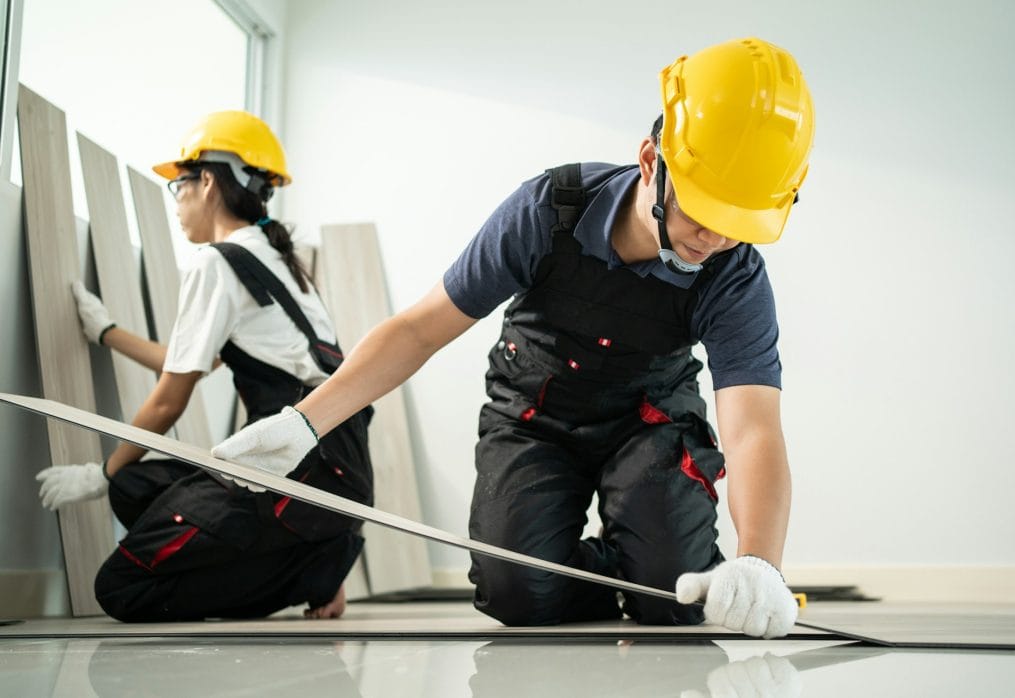
 by Core Ect Controlled Demolition
Essential Steps for Floor Preparation in Commercial Buildings
Getting the floors right in commercial buildings is more important than most people think. A well-prepared floor is essential for the durability and safety of the entire structure. It forms the foundation for everything else that takes place—be it heavy equipment installation in a factory or setting up large office spaces. If corners are cut here, problems can arise quickly, leading to costly repairs and potentially endangering the safety of everyone who uses the building.
Consider a busy coffee shop in the heart of Mansfield. With daily high foot traffic, spills, and the occasional heavy furniture relocation, the shop’s floor faces wear and tear regularly. If not properly prepared, surfaces can crack or wear unevenly, causing trip hazards. This example shows why proper floor preparation is key, ensuring long-lasting floors that can withstand various stresses over time.
Assessing the Existing Floor Condition
Before embarking on any floor preparation project, getting a clear understanding of the current state of the floor is crucial. This step is about identifying what you’re dealing with to ensure the preparation techniques you choose will work effectively. Imagine trying to paint a wall without noticing the peeling paint underneath—your efforts might look good initially, but the imperfections would soon show through.
Here are some key points for assessing the floor condition:
– Cracks and Uneven Surfaces: Check for any visible cracks or uneven spots. These can compromise the integrity of a new floor layer if not addressed first.
– Moisture Problems: Dampness can be a silent enemy, weakening the bonds of adhesive layers unless it’s properly addressed.
– Old Coatings or Adhesives: Existing coatings need proper removal since they might interfere with new adhesives or coatings.
The assessment stage often involves using tools like moisture meters to detect hidden wetness or laser levels for pinpointing unevenness. Professionals bring their expertise and equipment to assess the floor in-depth, ensuring every potential issue is noted before further steps are taken. This detailed evaluation paves the way for a safe and durable floor surface, preparing it to handle the needs of a bustling commercial environment efficiently.
Choosing the Right Preparation Method
Once the existing floor conditions are thoroughly understood, the next task is selecting the best preparation method. Each floor has its unique needs, and picking the right technique makes all the difference between lasting success and premature failure. Simply put, the method chosen should align with the floor’s current state and intended use.
Here are the most common methods used:
1. Grinding: Used mainly for smoothing rough surfaces or removing adhesives and thick coatings. It’s great for small, uneven areas.
2. Shot Blasting: Ideal for cleaning and roughening floors. It works best for quickly preparing large areas, offering a good surface profile for new coatings.
3. Scarifying: Perfect for texturing and removing older, tougher layers. It’s a robust choice for floors that have to endure heavy equipment or machinery.
Choosing the best method depends on various factors like the thickness of the existing floor layers, the floor’s environment, and the specific end-use requirements. The benefits of selecting the right method extend well beyond appearance, ensuring the floor is both functional and durable.
In commercial spaces across Mansfield, correctly prepared floors set up for success right from the start. Each method offers unique advantages, and using them appropriately is crucial to a well-executed project ready to support the demands of any fast-paced environment.
Surface Cleaning and Debris Removal
Once you’ve chosen the best method for floor preparation, it’s time to make sure the surface is flawlessly clean. A neat surface is key to guaranteeing that all subsequent treatments adhere well and last as long as possible. Think of it like a painter having a pristine canvas—it’s fundamental to achieving the intended result.
Begin by sweeping or vacuuming the entire floor to get rid of loose dirt and debris. For stubborn grime or oily patches, a thorough mop with an appropriate cleaning solution does wonders. Be careful here; certain chemicals can leave residues that might interfere with bonding primers or coatings. It’s wise to stick to neutral pH cleaners designed for preparatory work.
Remember, safety counts during this stage too:
– Wear Personal Protective Equipment (PPE): Gloves, goggles, and masks prevent inhalation of dust and contact with cleaning chemicals.
– Ensure Proper Ventilation: Let fresh air circulate to dissipate any fumes from cleaning agents.
– Use Correct Tools: Brooms, commercial vacuums for dry material, and mops suitable for wet spills keep things effective and efficient.
Once done, double-check for any lingering dust or film that could affect the next preparation stages. Doing this right sets the stage for optimal results when applying subsequent layers or finishes.
Applying the Appropriate Primer or Sealant
Having cleaned the surface, the next step involves applying a primer or sealant tailored to the specific floor type and expected traffic. This layer acts as a crucial bond between the substrate and any final coating or covering, ensuring durability.
There are different types of primers and sealants available:
– Epoxy Primers: Known for their strength and adhesion, they’re great for high-traffic commercial zones.
– Acrylic Primers: These are versatile and suitable for a range of flooring materials.
– Moisture Barrier Primers: Perfect where moisture has been a concern during the assessment phase.
Application should be smooth and even. It’s like icing a cake; you don’t want lumps or missed spots, as this could ruin the look and performance of the final floor layer. Applying this layer typically involves rolling or spraying the product across the floor using a professional-grade roller or applicator.
Once the primer or sealant is applied, give it time to cure as directed by the product instructions. This stage shouldn’t be rushed. Proper curing ensures the floor’s endurance and reduces the risk of future issues like peeling or cracking.
Final Inspection and Quality Check
After all the hard work of preparing and priming the floor, a final inspection guarantees everything is in perfect order. This step isn’t just about checking off boxes—it’s a vital process to confirm that each stage has been completed successfully and the floor is ready for the next phase of construction or use.
Here’s a simple checklist for final inspection:
– Surface Smoothness: Check for any remaining bumps or unfixed uneven areas.
– Adhesive Bond: Ensure the primer or sealant has adhered correctly without bubbles or separation.
– Uniformity: Verify colour and texture uniformity across the floor’s span.
Addressing these checks ensures that the floor is not only visually appealing but also functionally ready for whatever lay ahead, be it heavy foot traffic or equipment loads. This thorough approach reflects the care taken in preparing commercial spaces, anticipating the prolonged use they will endure.
By remaining attentive in each step of floor preparation, commercial buildings in Mansfield are set up for success. Whether for an office, retail area, or industrial site, well-prepared floors offer the durability and safety that are so pivotal for building longevity and user satisfaction.
For expert assistance with your commercial property’s flooring project, consider reaching out to Core-ECT Diamond Drilling. Whether you need precision in cleaning, grinding, or sealing, our team offers the specialised services necessary to ensure your surfaces are expertly prepared. Learn more about our comprehensive approach to floor preparation in Mansfield and how we help keep your space safe, durable, and ready for use.