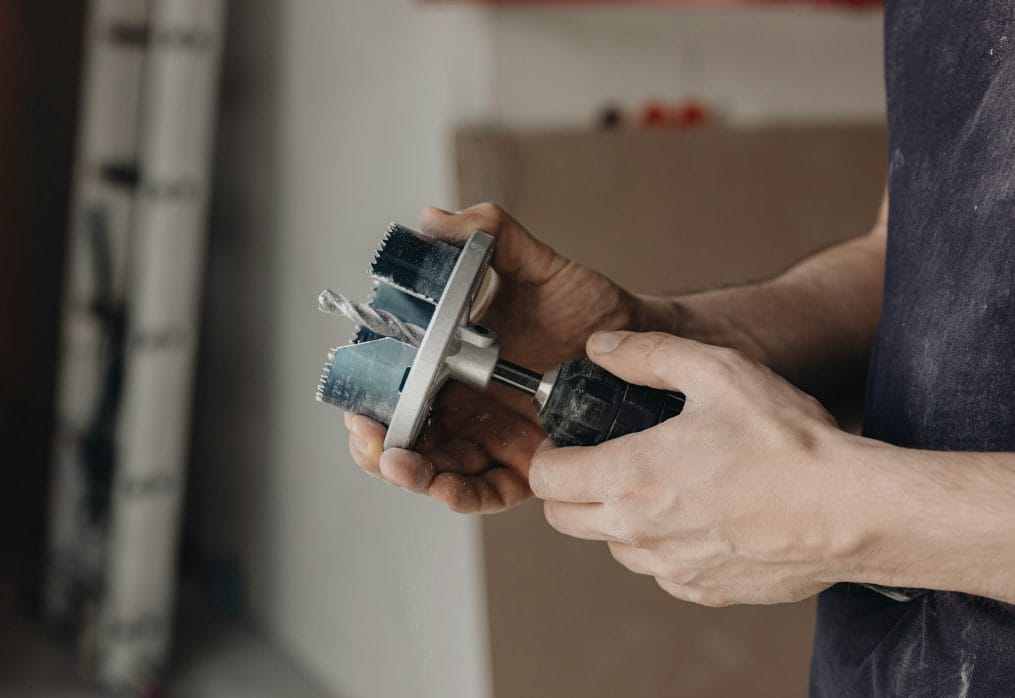
 by Core Ect Controlled Demolition
Preventing Surface Damage During Diamond Drilling
Diamond drilling is often the go-to choice when precision matters. It creates clean holes through tough materials like concrete, brick, or stone. Whether for plumbing, electrical access, or structural upgrades, the accuracy and efficiency of drilling with a diamond bit make it a strong fit for a range of commercial and industrial environments.
That level of performance doesn’t come without risks, though. When it’s not done right, diamond drilling can leave behind surface damage, including cracks, spalling or weakened surrounding areas. That affects not just the appearance but also the structural integrity of the site. Every drilling job, especially across built-up locations like Mansfield, needs to be properly managed to keep the surface intact. Careful planning, the right tools and an expert approach all matter from start to finish.
Understanding Surface Integrity
Not all surfaces respond the same during drilling. Knowing what material is being worked on is the first step in getting things right. A standard concrete floor behaves differently from an old brick wall or a reinforced ceiling. If the wrong gear is used or the drill pushes through too quickly, even strong materials can chip, fracture or show early signs of wear.
When drilling with a diamond bit, it helps to understand what you’re dealing with. Is the material brittle or dense? Is there reinforcing like rebar inside? Hidden components can significantly affect how the surface reacts. A drill that powers through without taking that into account is more likely to cause damage.
Mansfield presents a good example. Projects here often deal with a mix of older and newer buildings that carry different surface types all on the same site. What works on a supporting pillar might not be suited for the floor or the outer wall.
Before any drilling begins, on-site inspections help identify:
– Loose or uneven areas
– Patchy or weather-worn surfaces
– Cracks that might widen with vibration
– Paint or coatings prone to chipping from heat or friction
Spotting these early gives time to plan properly. That might mean adjusting the bit size, slowing the feed, or adding support to a weaker area. The goal is a clean exit hole and minimum disruption to the surrounding surface.
This is where having a professional team matters. A good crew factors surface quality into their method even before the drill starts, making sure everything stays controlled from beginning to end.
Proper Drilling Techniques For Cleaner Outcomes
Understanding the material is only one side of the coin. Good technique is what keeps everything on track. Diamond drilling should never be rushed. If the bit advances too quickly or at the wrong angle, it causes friction, stresses the bit, and adds tension to the area around the hole.
Three core techniques play a big role in reducing surface damage:
1. Match the bit to the job
A softer bond bit is better for tough materials like reinforced concrete, while a harder bond suits softer materials like brick. Using the wrong bit increases edge wear and shortens tool life.
2. Keep steady pressure
Too much force can make the bit bounce, which stresses the drill site. If there’s too little pressure, the bit may overheat. Keeping an even feed ensures a clean, safe result.
3. Use support equipment
Anchoring rigs or guidance systems help keep the drill steady, especially at the start. They also stop sideways drift, reducing damage along the hole edge.
On a job in Mansfield, for example, drilling was needed near a large glass wall. There was no room for vibration or anything to go off course. With anchoring tools and tight control of the feed speed, the team got clean, damage-free holes without disturbing the nearby structure.
Strong technique doesn’t just create better-looking holes. It prevents rework, cuts down time, and keeps the rest of the surface strong enough for follow-on tasks like cable pulling or pipe installations. A mistake during drilling takes seconds. Fixing it later can take hours.
The Role Of Coolants And Lubricants During Diamond Drilling
Heat buildup is a large contributor to surface damage. When drilling into dense material, the bit can get extremely hot, and that heat transfers to the surrounding surface. This can burn materials, cause chipping, or even lead to stress-related fractures. Coolants and lubricants help control that heat and lower surface wear.
Coolants are used to regulate temperature. Water is often enough for general jobs, but some tougher applications need specialised solutions. The idea is to keep the bit and surface from heating too fast, which protects everything around the drill zone.
Lubricants work to reduce surface friction. That means the bit moves in a smoother, more controlled way. Less resistance equals less tearing or surface damage when working on materials that might already be brittle, like aged brickwork or layered stone.
The right choice of fluid depends on:
– The surface material
– Size and depth of the hole
– Equipment being used
– On-site conditions like dust, temperature and moisture
Oversaturating the area isn’t helpful. Instead, controlled flows at contact points keep things cool and steady. That makes for a cleaner cut, less wear on the gear and a better surface finish overall.
Post-Drilling Surface Checks And Care
Even if everything goes right during drilling, the work doesn’t stop the moment the hole is finished. Post-drilling care plays a big part in keeping the surface sound.
Start by cleaning up the area. Dust, slurry, and small debris can cover small flaws. A quick clean makes it easier to assess what’s been done and spot anything that needs correcting before it becomes a problem.
Once the surface is clear, look for signs like:
– Chipped edges
– Ridge formations
– Small cracks
– Loose areas
Small imperfections can often be fixed by smoothing or patching. Bigger issues rarely show if drilling is done properly, but it’s always worth a check. Sometimes, cracks show up after the surface dries or shifts. A good follow-up visit a day or two after the job can help make sure everything held firm.
Good post-drilling care prepares the site for what comes next. Wires, pipes or anchors will sit better, and there’s no backtracking needed. Everything is clean, level and ready for whatever the next crew needs to install.
Why Clean Drilling Starts With The Right Approach
Surface damage might not look like the biggest concern at first, but it has a way of causing more extensive trouble later on. A crack can spread. An uneven edge can stop parts from fitting right. That’s why a careful approach from the start is always wiser.
Protecting the surface means doing every step with care. Choose the right bit. Apply consistent pressure. Use proper cooling. Don’t skip the inspection at the end. Each step supports the one before it, and the result is a finish that keeps its strength and shape.
In a place like Mansfield with its diverse builds, knowing that your drilling provider pays attention to surface detail makes all the difference. Working with a well-prepared crew using quality tools and good technique makes damage less likely and results stronger.
No matter the scale of your project, clean outcomes start with good planning and real care for the surface being worked on. That’s what keeps drilling work smooth and successful from beginning to end.
Contact Core-ECT Diamond Drilling to ensure your next project is handled with the precision and care it deserves. Our expertise in diamond drilling guarantees clean, accurate holes without compromising the surface integrity of your site. Trust our skilled team to manage every step, from initial planning to post-drilling care, ensuring a seamless and damage-free result. Reach out today to secure efficient and reliable drilling services tailored to your specific needs.